
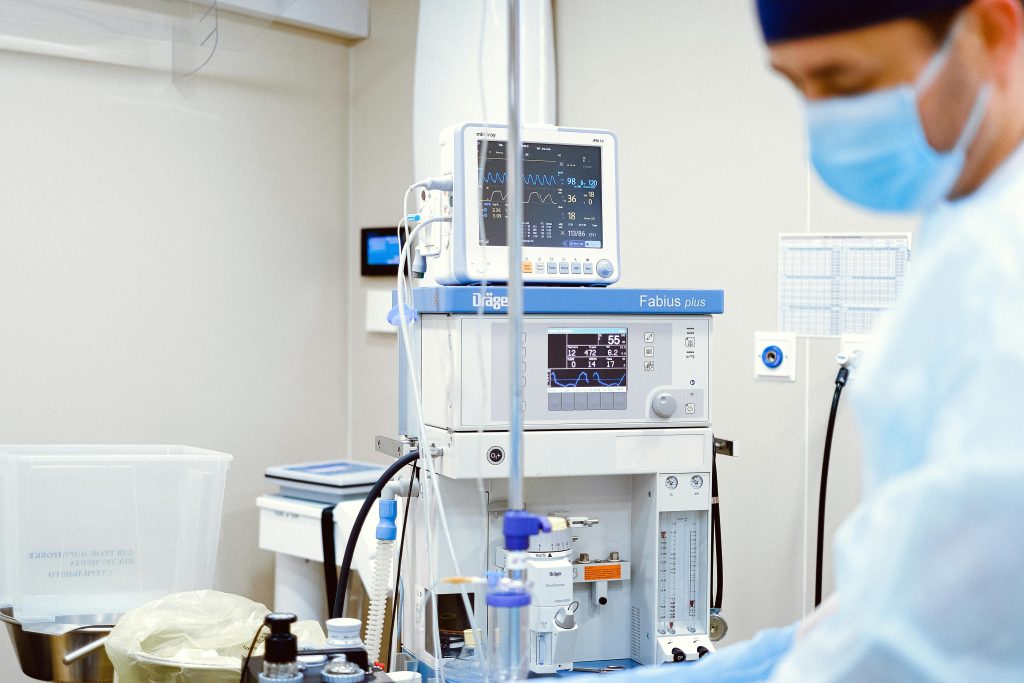

Types of Anesthesia
Introduction
Anesthesia is a critical component of modern medicine, particularly in surgical procedures. It is broadly categorized based on the level of sedation and the specific needs of the medical procedure. Below are the main types of anesthesia:
1. General Anesthesia
- Description: Induces a deep sleep state where the patient cannot be aroused, even by painful stimuli.
- Uses: Major surgical procedures where complete unconsciousness is necessary.
- Monitoring: Close monitoring of cardiovascular and respiratory functions is essential.
2. Twilight Anesthesia (Moderate Sedation)
- Description: Also known as conscious sedation. The patient remains responsive and can follow instructions, yet is in a sedated state.
- Uses: Often utilized for minor surgeries and procedures, allowing the patient to feel relaxed while also minimizing pain.
- Characteristics: Patients typically have little to no memory of the procedure afterwards.
3. Deep Sedation
- Description: The patient is less aware of their surroundings and cannot be easily awakened; however, they respond to repeated or painful stimuli.
- Uses: Procedures that require more than moderate sedation but not full general anesthesia.
- Monitoring: Respiratory functions may be impaired, necessitating airway support.
4. Local Anesthesia
- Description: Numbs a specific area of the body without affecting consciousness.
- Uses: Minor surgical or dental procedures where pain control is necessary without sedation.
- Administration: Delivered through injections or topical applications.
5. Regional Anesthesia
- Description: Blocks sensation in a specific region of the body, affecting larger areas than local anesthesia.
- Uses: Typically used for procedures on limbs or the lower body, such as epidurals in childbirth.
- Approach: Administered via nerve blocks or spinal injections.
Choosing the Right Type
When determining the appropriate type of anesthesia, factors considered include:
- Type and duration of the procedure
- Patient health and medical history
- Potential for pain or discomfort
- Desired level of consciousness during the procedure
Understanding these different types of anesthesia helps healthcare providers ensure that patients are comfortable and that procedures are carried out safely.
Regional Anesthesia
Regional anesthesia is a type of anesthesia that targets a larger area of the body than local anesthesia, typically used in surgical procedures. It blocks the sensation in a specific region of the body, allowing for effective pain control while preserving consciousness.
Characteristics of Regional Anesthesia
- Target Area: Anesthetizes a larger area such as a limb, torso, or other significant sections of the body.
- Types: Includes spinal anesthesia, epidural anesthesia, and peripheral nerve blocks.
- Administration: Delivered through injections near major nerves or the spinal canal.
Common Techniques
- Spinal Anesthesia
- Involves the injection of anesthetic into the subarachnoid space around the spinal cord.
- Provides profound pain relief for lower body surgeries.
- Epidural Anesthesia
- Anesthetic is delivered into the epidural space outside the spinal cord.
- Commonly used during labor and certain types of surgery.
- Peripheral Nerve Blocks
- Blocks sensory nerves in a specific area (e.g., brachial plexus block for arm surgeries).
Advantages of Regional Anesthesia
- Pain Control: Offers effective pain management with reduced systemic effects compared to general anesthesia.
- Patient Safety: Lower risk of complications such as airway issues, as patients remain conscious.
- Rapid Recovery: Many patients recover faster as consciousness is maintained.
Limitations
- Technical Skills Required: Requires trained personnel to perform the techniques accurately.
- Potential Side Effects: Risks include infection, bleeding, or nerve damage at the injection site.
Local Anesthesia
Local anesthesia is a medical technique used to block sensation in a specific area of the body. It is commonly used in minor surgical procedures and dental work, allowing patients to undergo treatment without feeling pain in the targeted area. Below are some crucial aspects of local anesthesia:
Overview
- Local anesthesia works by temporarily blocking nerve signals in the area where it is administered.
- It is usually injected or applied topically, depending on the procedure and the area being treated.
- The patient remains fully conscious and aware throughout the procedure.
Administration Methods
- Injectable Local Anesthetics
- Administered via injection directly into the area to be treated.
- Common agents: Lidocaine, Bupivacaine, and Procaine.
- Topical Anesthetics
- Applied directly to the skin or mucous membranes.
- Commonly used in procedures such as dental work or minor skin surgeries.
- Common agents: Benzocaine and Lidocaine creams or gels.
Indications for Use
- Suturing small wounds.
- Filling cavities in dental procedures.
- Biopsies and minor dermatologic surgeries.
- Certain diagnostic procedures, such as endoscopies.
Advantages
- Minimal recovery time, allowing patients to resume normal activities shortly after the procedure.
- Reduced risk of general anesthesia complications, as patients remain awake and alert.
- Provides targeted pain relief without the systemic effects of general anesthesia.
Considerations
- Possible allergic reactions to anesthetic agents.
- Limited effectiveness if the patient is particularly anxious or if the area is infected.
- Should always be administered by a qualified healthcare professional to ensure safety and efficacy.
Local anesthesia plays a crucial role in modern medicine, providing effective pain relief for various medical and surgical procedures while minimizing the risks associated with anesthesia.
Types of Anesthesia
Introduction
Anesthesia is a critical component of modern medicine, particularly in surgical procedures. It is broadly categorized based on the level of sedation and the specific needs of the medical procedure. Below are the main types of anesthesia:
1. General Anesthesia
- Description: Induces a deep sleep state where the patient cannot be aroused, even by painful stimuli.
- Uses: Major surgical procedures where complete unconsciousness is necessary.
- Monitoring: Close monitoring of cardiovascular and respiratory functions is essential.
2. Twilight Anesthesia (Moderate Sedation)
- Description: Also known as conscious sedation. The patient remains responsive and can follow instructions, yet is in a sedated state.
- Uses: Often utilized for minor surgeries and procedures, allowing the patient to feel relaxed while also minimizing pain.
- Characteristics: Patients typically have little to no memory of the procedure afterwards.
3. Deep Sedation
- Description: The patient is less aware of their surroundings and cannot be easily awakened; however, they respond to repeated or painful stimuli.
- Uses: Procedures that require more than moderate sedation but not full general anesthesia.
- Monitoring: Respiratory functions may be impaired, necessitating airway support.
4. Local Anesthesia
- Description: Numbs a specific area of the body without affecting consciousness.
- Uses: Minor surgical or dental procedures where pain control is necessary without sedation.
- Administration: Delivered through injections or topical applications.
5. Regional Anesthesia
- Description: Blocks sensation in a specific region of the body, affecting larger areas than local anesthesia.
- Uses: Typically used for procedures on limbs or the lower body, such as epidurals in childbirth.
- Approach: Administered via nerve blocks or spinal injections.
Choosing the Right Type
When determining the appropriate type of anesthesia, factors considered include:
- Type and duration of the procedure
- Patient health and medical history
- Potential for pain or discomfort
- Desired level of consciousness during the procedure
Understanding these different types of anesthesia helps healthcare providers ensure that patients are comfortable and that procedures are carried out safely.
Regional Anesthesia
Regional anesthesia is a type of anesthesia that targets a larger area of the body than local anesthesia, typically used in surgical procedures. It blocks the sensation in a specific region of the body, allowing for effective pain control while preserving consciousness.
Characteristics of Regional Anesthesia
- Target Area: Anesthetizes a larger area such as a limb, torso, or other significant sections of the body.
- Types: Includes spinal anesthesia, epidural anesthesia, and peripheral nerve blocks.
- Administration: Delivered through injections near major nerves or the spinal canal.
Common Techniques
- Spinal Anesthesia
- Involves the injection of anesthetic into the subarachnoid space around the spinal cord.
- Provides profound pain relief for lower body surgeries.
- Epidural Anesthesia
- Anesthetic is delivered into the epidural space outside the spinal cord.
- Commonly used during labor and certain types of surgery.
- Peripheral Nerve Blocks
- Blocks sensory nerves in a specific area (e.g., brachial plexus block for arm surgeries).
Advantages of Regional Anesthesia
- Pain Control: Offers effective pain management with reduced systemic effects compared to general anesthesia.
- Patient Safety: Lower risk of complications such as airway issues, as patients remain conscious.
- Rapid Recovery: Many patients recover faster as consciousness is maintained.
Limitations
- Technical Skills Required: Requires trained personnel to perform the techniques accurately.
- Potential Side Effects: Risks include infection, bleeding, or nerve damage at the injection site.
Conclusion
Regional anesthesia plays a critical role in various surgical procedures, enhancing patient comfort and safety.
Local Anesthesia
Local anesthesia is a medical technique used to block sensation in a specific area of the body. It is commonly used in minor surgical procedures and dental work, allowing patients to undergo treatment without feeling pain in the targeted area. Below are some crucial aspects of local anesthesia:
Overview
- Local anesthesia works by temporarily blocking nerve signals in the area where it is administered.
- It is usually injected or applied topically, depending on the procedure and the area being treated.
- The patient remains fully conscious and aware throughout the procedure.
Administration Methods
- Injectable Local Anesthetics
- Administered via injection directly into the area to be treated.
- Common agents: Lidocaine, Bupivacaine, and Procaine.
- Topical Anesthetics
- Applied directly to the skin or mucous membranes.
- Commonly used in procedures such as dental work or minor skin surgeries.
- Common agents: Benzocaine and Lidocaine creams or gels.
Indications for Use
- Suturing small wounds.
- Filling cavities in dental procedures.
- Biopsies and minor dermatologic surgeries.
- Certain diagnostic procedures, such as endoscopies.
Advantages
- Minimal recovery time, allowing patients to resume normal activities shortly after the procedure.
- Reduced risk of general anesthesia complications, as patients remain awake and alert.
- Provides targeted pain relief without the systemic effects of general anesthesia.
Considerations
- Possible allergic reactions to anesthetic agents.
- Limited effectiveness if the patient is particularly anxious or if the area is infected.
- Should always be administered by a qualified healthcare professional to ensure safety and efficacy.
Local anesthesia plays a crucial role in modern medicine, providing effective pain relief for various medical and surgical procedures while minimizing the risks associated with anesthesia.