
Introduction
Reflux esophagitis, commonly known as gastroesophageal reflux disease (GERD), is a prevalent condition where stomach acid flows back into the esophagus. This backflow causes inflammation and tissue damage within the esophageal lining. It’s notably prevalent in Western countries, affecting approximately 10% to 20% of the population, with 6% experiencing severe forms of the disease.
Etiology
The development of reflux esophagitis can be attributed to various factors, including:
- Dietary habits such as eating right before bedtime or consuming excessively large and fatty meals.
- Lifestyle factors like smoking and carrying extra weight.
- Consumption of specific food and drinks, namely caffeine, alcohol, fatty foods, chocolate, and peppermint.
Diagnosis
Diagnosing reflux esophagitis typically involves:
- An initial assessment based on the patient’s symptoms.
- Confirmation through medical procedures, which may include:
- Upper endoscopy to visualize the esophagus.
- Measurement of acid content in the esophagus.
Treatment
Managing reflux esophagitis can involve multiple approaches:
- Lifestyle modifications to address contributing factors.
- Medications aimed at reducing stomach acid production.
- Surgical interventions in severe cases to reinforce the lower esophageal sphincter.
Complications and Risk Management
Persistent reflux esophagitis can lead to serious complications such as:
- Barrett’s esophagus, a condition that significantly heightens the risk of developing esophageal cancer. It is crucial to seek medical attention if symptoms like heartburn, difficulty swallowing, or chest pain persist, to prevent the progression of the disease and mitigate the risk of severe complications.
Epidemiology of Reflux Esophagitis
Age-Related Prevalence
- Studies indicate a marked increase in GERD symptoms among individuals aged 50 years and older, suggesting an age-related susceptibility to the condition.
Prevalence in the United States
- In the US, the reported prevalence of GERD symptoms oscillates between 6% and 30%, a range that reflects the variability in the diagnostic questionnaires used.
- A systematic review places the prevalence of GERD in the US at 18.1% to 27.8%.
Global Perspective
- A comparison of prevalence rates across continents reveals:
- North America: 18.1%–27.8%
- Europe: 8.8%–25.9%
- East Asia: 2.5%–7.8%, with a distinct rise in Japan from 2.0% in 1991 to 22% in 2015.
- Middle East: 8.7%–33.1%
Etiology of Reflux Esophagitis
Primary Cause: Gastroesophageal Reflux
- The cornerstone of reflux esophagitis is gastroesophageal reflux, characterized by the backward flow of stomach contents into the esophagus, causing mucosal injury and inflammation.
Risk Factors
- The development of GERD is associated with several risk factors, including:
- Dietary habits: Eating immediately before bed, indulging in large and fatty meals.
- Lifestyle factors: Smoking and obesity.
- Specific foods and drinks: Caffeine, alcohol, chocolate, and peppermint.
Pathophysiological Mechanisms
- The pathogenesis of reflux esophagitis involves:
- Reduced tone or increased transient relaxations of the lower esophageal sphincter, allowing acid to flow back into the esophagus.
- Impairments in esophageal peristalsis or alterations in saliva composition, which normally help clear and neutralize refluxed material.
Hiatal Hernia
- A significant association exists between hiatal hernias and GERD, as these hernias can impair the competency of the antireflux barrier, promoting the occurrence of reflux.
Other Etiological Factors
- Beyond gastroesophageal reflux, other causes of esophagitis include:
- Medication-induced esophagitis.
- Infectious esophagitis.
- Eosinophilic esophagitis.
- Radiation-induced esophagitis.
Symptoms of Reflux Esophagitis
Common Symptoms
- Heartburn: Often described as a burning sensation behind the breastbone, typically occurring within an hour after eating. This symptom may intensify when lying down or during physical exertion.
- Acid Regurgitation: The feeling of sour or burning fluid moving up into the throat or mouth, indicative of stomach acid’s presence in the esophagus.
- Dysphagia: Experienced as difficulty in swallowing, reported by approximately 30% of individuals with reflux esophagitis.
- Globus Sensation: A persistent sensation of having a lump in the throat that doesn’t correspond to an actual physical obstruction.
- Water Brash: Increased salivation as the body’s response to esophageal irritation due to acidity.
Atypical Symptoms
- Chest Pain: An atypical yet concerning symptom that can mimic the pain associated with heart conditions, necessitating thorough medical evaluation to rule out cardiac issues.
Asymptomatic Cases
- Interestingly, some patients, even with severe esophagitis or Barrett’s esophagus, may not exhibit any of the classic symptoms such as heartburn.
Los Angeles Classification of Reflux Esophagitis
Overview
The Los Angeles Classification system is a widely accepted method for grading the severity of reflux esophagitis based on endoscopic findings. This classification plays a crucial role in guiding the management and treatment decisions for the condition.
Classification Grades
Grade A: The presence of one or more erosions confined to the mucosal folds, each not exceeding 5 mm in size.

Grade B: Erosions that extend beyond the mucosal folds but involve less than three-quarters of the esophageal circumference.

Grade C: Erosions that extend beyond the mucosal folds and cover more than three-quarters of the esophageal circumference.
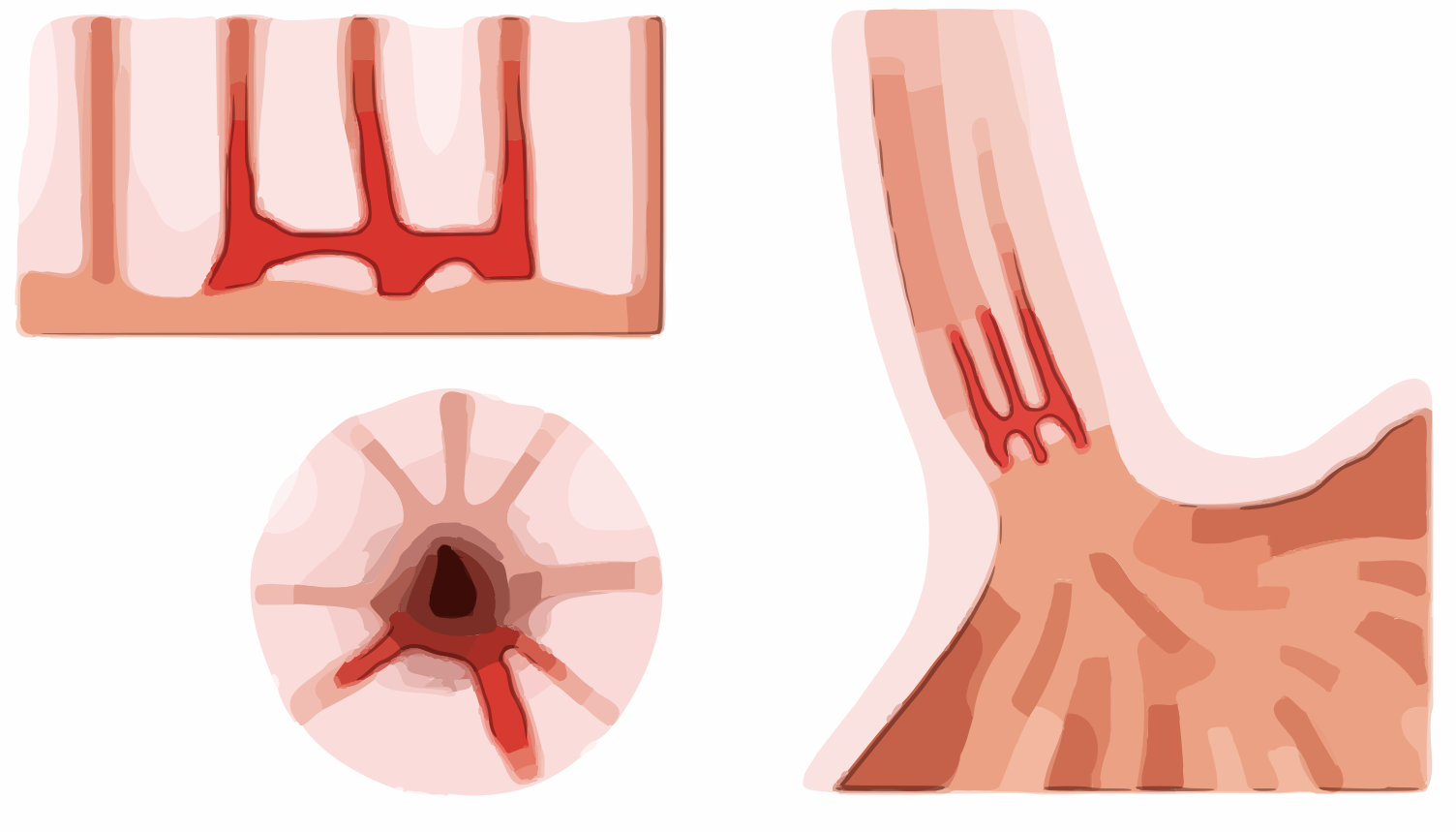
Grade D: Erosions that encompass the entire circumference of the esophagus.
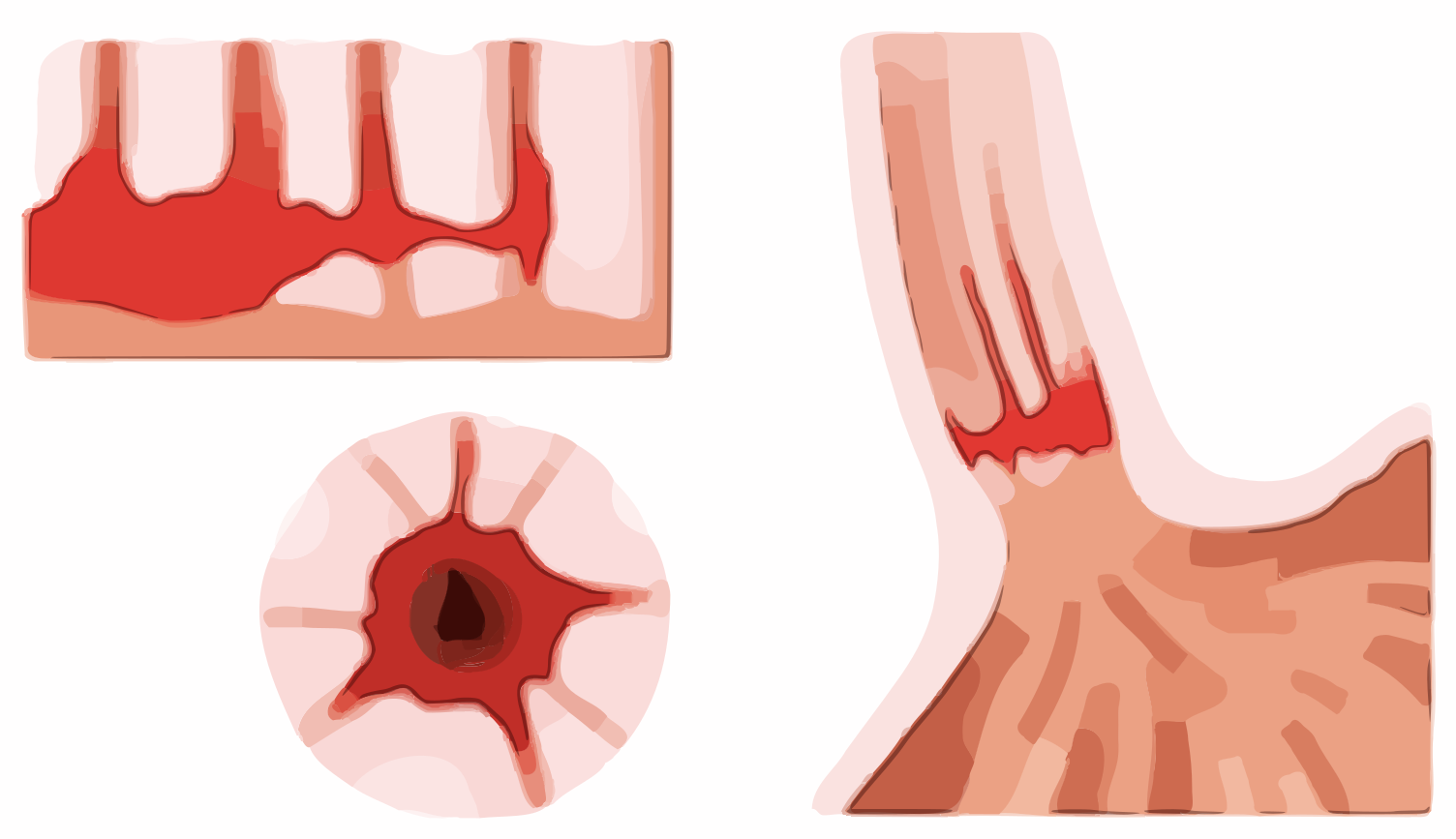
Management Based on Classification
- Mild Cases (Grade A/B): Typically managed with proton-pump inhibitor (PPI) therapy. This treatment is aimed at reducing acid production, thereby allowing the esophageal tissue to heal and preventing further damage.
- Severe Cases (Grade C/D): Often require more intensive treatment. This may involve a prolonged course of PPI therapy, typically for 8 weeks, to ensure adequate healing and symptom control.
Diagnosis of Reflux Esophagitis
Clinical Evaluation
- Initial Assessment: A healthcare provider may initially diagnose GERD based on the patient’s reported symptoms and a physical examination. Common indicators include heartburn, acid regurgitation, dysphagia, globus sensation, and water brash.
Objective Testing
- When initial clinical evaluations are inconclusive or when complications are suspected, more definitive objective testing may be undertaken, such as:
- Upper Endoscopy: A procedure using a thin, flexible tube equipped with a light and camera to visually examine the esophagus and stomach. This method is particularly useful for detecting esophagitis or other complications.
- Ambulatory pH Monitoring: Regarded as the gold standard in GERD diagnosis, this involves monitoring the pH levels within the esophagus over a 24-hour period, establishing a direct correlation between symptoms and acid reflux events.
- Barium Esophagram: An imaging study that assesses the structure and function of the esophagus.
- Esophageal Manometry: A test measuring the rhythmic muscle contractions (peristalsis) and the coordination of the esophagus upon swallowing.
Response to Acid Suppression
- In certain scenarios, assessing the patient’s response to acid suppression therapy (e.g., proton pump inhibitors) can also be indicative of GERD, especially in cases where standard testing is inconclusive.
Differential Diagnosis of Reflux Esophagitis
Introduction
While reflux esophagitis (GERD) is a common gastroenterological condition, its symptoms often overlap with those of other diseases. Accurate diagnosis necessitates distinguishing GERD from other conditions presenting with similar clinical features.
Key Differential Diagnoses
- Achalasia: Characterized by the failure of the lower esophageal sphincter to relax, leading to swallowing difficulties and regurgitation.
- Gastritis (Acute and Chronic): Involves inflammation of the stomach lining, manifesting as epigastric pain and discomfort.
- Peptic Ulcer Disease: Presents as open sores within the stomach, upper small intestine, or esophagus, causing epigastric pain and potential acid regurgitation.
- Esophageal Carcinoma: Cancer of the esophagus may present with dysphagia, unintentional weight loss, and chest pain.
- Infectious Esophagitis: Esophageal inflammation due to fungal, viral, or bacterial infections.
- Coronary Artery Disease: Characterized by reduced blood flow to the heart, leading to chest pain or discomfort, also known as angina.
- Crohn’s Disease: An inflammatory bowel disease that can affect any part of the gastrointestinal tract, resulting in abdominal pain, diarrhea, and weight loss.
- Gastric Adenocarcinoma: A type of cancer forming in the stomach lining, causing symptoms like abdominal pain, unintentional weight loss, and fatigue.
- Gastrinoma: A rare tumor in the pancreas or duodenum that leads to excess gastrin production, causing abdominal pain and peptic ulcers.
Importance of Accurate Diagnosis
Distinguishing reflux esophagitis from these conditions is crucial for appropriate treatment and management. A thorough clinical assessment, coupled with specific diagnostic tests, is often required to correctly identify the underlying cause of the presenting symptoms.
Treatment of Reflux Esophagitis
Overview
The management of reflux esophagitis (GERD) encompasses a multifaceted approach, involving medication, lifestyle adjustments, and potentially surgical procedures. The treatment aims to alleviate symptoms, promote esophageal healing, and prevent complications.
Medication
- Proton Pump Inhibitors (PPIs): Medications such as esomeprazole (Nexium), lansoprazole (Prevacid), omeprazole (Prilosec), and pantoprazole (Protonix) are effective in reducing acid production, thereby aiding in the healing of the esophagus.
- H2 Receptor Blockers: Drugs like cimetidine (Tagamet HB) also contribute to acid reduction.
- Antacids: Over-the-counter remedies such as Maalox and Mylanta can provide quick relief by neutralizing stomach acid.
Lifestyle and Home Remedies
- Dietary Changes: Identifying and avoiding trigger foods, which may include spicy foods, citrus fruits, chocolate, caffeine, and high-fat foods.
- Elevating the Head of the Bed: This helps prevent acid reflux during sleep by utilizing gravity.
- Weight Management: For overweight or obese individuals, weight loss can significantly reduce the severity and frequency of GERD symptoms.
Surgical Interventions
- LINX Procedure: Involves the placement of a ring of magnetic titanium beads around the lower esophagus. This strengthens the sphincter, preventing acid reflux.
- Gastric Bypass Surgery: Particularly recommended for patients with obesity, this procedure not only aids in weight loss but also helps manage reflux complications.
Surgical Treatment for Reflux Esophagitis (GERD)
Indications
General Overview
- Antireflux procedures aim to control:
- Gastrointestinal symptoms (typical): heartburn, regurgitation
- Nongastrointestinal symptoms (atypical): chronic cough, asthma, laryngeal disease
- Objective evidence of reflux is required, especially in atypical presentations.
Gastrointestinal Indications (Typical Symptoms)
Failed Medical Management
- Most common indication: moderate-to-severe GERD not fully controlled by PPIs and lifestyle changes.
- Patients with pathologic acid reflux responding to PPI may opt for surgery if they wish to discontinue medication.
- Patients nonresponsive to maximal PPI therapy should be carefully evaluated for alternative diagnoses.
- Objective criteria like Los Angeles class C/D esophagitis or high acid exposure are needed before surgery.
Intolerance or Noncompliance with Medical Therapy
- Candidates include:
- Those with side effects from PPIs
- Young patients not wishing lifelong medication
- Counseling is necessary: 10–15% may resume medication post-surgery.
Complications of GERD
- Indications include:
- Severe esophagitis (Los Angeles class C/D)
- Benign peptic strictures
- Barrett’s esophagus (controversial; dysplasia must be treated first)
Volume Regurgitation
- Persistent symptoms due to nonacid reflux or weakly acidic reflux.
- Requires specialized pH testing.
- Must be differentiated from rumination syndrome (effortless regurgitation).
Nongastrointestinal Indications (Atypical Symptoms)
- Symptoms include:
- Chronic cough
- Hoarseness
- Laryngitis
- Asthma
- Bronchitis
- Aspiration
- Dental erosion
Chronic Cough
- Requires objective documentation of proximal esophageal exposure.
- Antireflux surgery can result in 77–81% resolution.
Laryngeal Disease
- Surgery is not first-line.
- Considered when:
- Abnormal pharyngeal pH is confirmed
- PPI therapy is ineffective or impractical
Asthma
- GERD is common in asthma patients.
- No clear consensus on surgery’s role; must be individualized.
Preoperative Evaluation
Required Diagnostic Tests
- Objective data is critical before surgery.
- Recommended tests:
- Upper endoscopy
- Esophageal pH testing
- Esophageal manometry
Upper Endoscopy
- Detects:
- Severe esophagitis (C/D)
- Barrett’s esophagus ≥1 cm
- Peptic strictures
- Positive findings may eliminate need for pH testing.
Esophageal pH Testing
Traditional pH Testing
- Gold standard for pathologic GERD.
- Performed after 7-day PPI cessation.
- Abnormal if AET >6%.
MII (Multichannel Intraluminal Impedance)
- Detects acid and nonacid reflux.
- Useful in:
- Refractory GERD
- Atypical symptoms
- High-volume regurgitation
Dual pH Probe
- Used for suspected laryngopharyngeal reflux.
- Measures pharyngeal pH.
Symptom Association
- Calculated via:
- Symptom Index (SI) >50%
- Symptom Association Probability (SAP) >95%
- Helps correlate symptoms with reflux events.
- Not a standalone decision-making tool.
Esophageal Manometry
- Assesses:
- LES function
- Esophageal peristalsis
- GE junction location (for pH probe placement)
- Influences surgical approach (e.g., full vs partial wrap).
- Detects alternative diagnoses (e.g., achalasia).
Choice of Procedure
Available Options
- Endoscopic and surgical procedures include:
- Transoral incisionless fundoplication (TIF)
- Magnetic sphincter augmentation (MSA)
- Laparoscopic Hill gastropexy
- Laparoscopic partial fundoplication
- Laparoscopic Nissen fundoplication
Considerations
- Nissen: high efficacy, durability, but more side effects
- TIF: fewer side effects, less durable
- Partial wraps (e.g., Toupet): good balance
- Choice depends on:
- GERD severity
- Anatomic factors (e.g., hiatal hernia)
- Motility findings
- Surgeon expertise
- Patient preference
Patient-Specific Strategies
Endoscopic Preference
- TIF and Stretta suitable for patients wanting non-surgical options.
- Stretta not recommended by ACG due to inconsistent efficacy.
- TIF contraindicated with:
- Hiatal hernia >2 cm
- Barrett’s
- Severe esophagitis
Obesity
- BMI ≥35: Roux-en-Y gastric bypass (RYGB) preferred.
- Fundoplication possible but less favored.
- MSA possible post-bariatric surgery (especially sleeve).
Esophageal Dysmotility
- Achalasia: surgery contraindicated.
- Mild dysmotility: loose Nissen, MSA, or TIF acceptable.
- Severe dysmotility: partial fundoplication or Hill procedure preferred.
Complex Paraesophageal Hernia
- Either partial or complete fundoplication acceptable.
- Depends on clinical context and surgeon preference.
Complicated GERD
- Fundoplication is standard in:
- Hiatal hernia >2 cm
- Severe esophagitis
- Barrett’s esophagus
- Peptic stricture
Candidates for Multiple Procedures
- Fundoplication, MSA, or TIF suitable if:
- No complications
- Normal esophageal function
- Short-segment GERD
Operative Techniques
Fundoplication Types
Complete Fundoplication (Nissen)
- 360-degree wrap, typically 2–3 cm
- Performed laparoscopically
- Requires:
- Extensive dissection
- Short gastric vessel division (optional)
- Crural repair
- Bougie calibration (optional)
- Wrap placed only around esophagus
Rosetti-Nissen (Modified)
- No short gastric vessel division
- Fewer gas bloat symptoms
Partial Fundoplication
- Toupet (posterior, 270°): used with motility disorders
- Dor (anterior, 180°): alternative approach
Collis Gastroplasty
- Used when esophagus is shortened
- Increases intra-abdominal esophageal length
- Combined with fundoplication
Surgical Approaches
- Laparoscopic: current gold standard
- Robotic: increasing use, more costly
- Transthoracic: reserved for select cases
Hill Gastropexy
- Reconstructs angle of His
- Long-term outcomes favorable
- Often combined with fundoplication
Magnetic Sphincter Augmentation (MSA)
- FDA-approved LINX device
- Enhances LES pressure
- Contraindications:
- Severe esophagitis
- Barrett’s
- Hiatal hernia >3 cm
- BMI >35
- Metal allergies
- Implanted laparoscopically
- Early/late dysphagia possible
Transoral Incisionless Fundoplication (TIF)
- Endoscopic, under general anesthesia
- 3–5 cm, 200–300° wrap
- Ideal for:
- Grade A/B esophagitis
- Hiatal hernia ≤2 cm
- Contraindicated in:
- Barrett’s
- Severe esophagitis
- Extrinsic symptoms
- c-TIF combines TIF with laparoscopic hernia repair