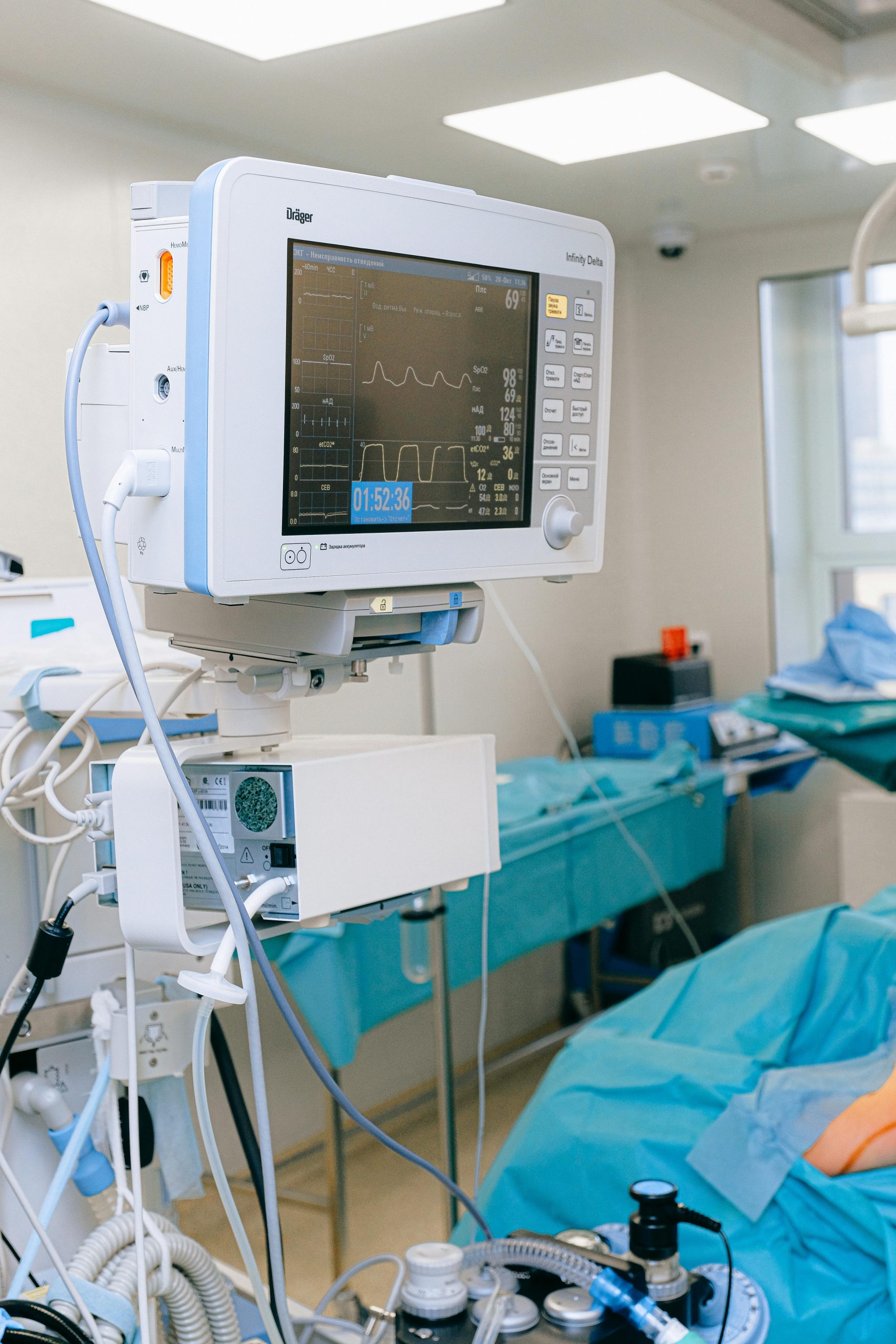
Febrile Seizures
Introduction
Febrile seizures are the most common neurologic disorder in infants and young children. They occur in 2 to 4 percent of children younger than five years of age and are typically an age-dependent phenomenon. These seizures are often triggered by fever and are categorized into simple and complex types.
- Simple febrile seizures are generalized, last less than 15 minutes, and do not recur within a 24-hour period. These are benign and have a low risk of future epilepsy.
- Complex febrile seizures are characterized by focal onset, prolonged duration, or multiple seizures within 24 hours. They carry a higher risk of recurrence and future afebrile seizures.
The clinical features, diagnostic evaluation, and risk factors for febrile seizures are discussed here. Treatment and prognosis, including the risks of recurrent febrile seizures and future epilepsy, are covered separately.
Definitions
A febrile seizure is a convulsion associated with an elevated temperature (greater than 38°C) in a child between six months and five years of age, without any evidence of intracranial infection or defined cause.
Criteria for Febrile Seizures:
- Convulsion associated with an elevated temperature above 38°C.
- Age between six months and five years.
- Absence of CNS infection or inflammation.
- Absence of acute systemic metabolic abnormality causing the convulsions.
- No previous afebrile seizures.
Types of Febrile Seizures:
- Simple febrile seizures: Generalized, last <15 minutes, no recurrence in 24 hours.
- Complex febrile seizures: Focal onset, last >15 minutes, or recur in 24 hours.
Epidemiology
Febrile seizures occur in 2 to 4 percent of children under five years of age, with the highest incidence between 12 and 18 months. There is a slight male predominance (1.6:1).
Risk Factors
- Age: Most common in children aged 6 months to 5 years.
- High fever: The maximum height of the fever is a significant determinant of risk.
- Viral infections: Commonly associated with febrile seizures, especially with human herpesvirus 6 (HHV-6) and influenza.
- Recent immunization: Vaccines like diphtheria, tetanus, pertussis, and MMR can increase the risk.
- Family history: A genetic predisposition, with higher risks in siblings and parents of affected children.
Other Risk Factors:
- Breastfeeding: Protective against febrile seizures.
- Genetic susceptibility: Identified loci include chromosomes 8q13-21, 19p, and 2q23-24. Some mutations are associated with generalized epilepsy with febrile seizures plus (GEFS+).
Clinical Features
Presentation:
- Febrile seizures usually occur on the first day of illness and may be the first sign that the child is ill.
- The degree of fever varies, with most seizures occurring at temperatures ≥39°C, but some occur between 38-39°C.
Seizure Characteristics:
- Simple febrile seizures: Generalized tonic-clonic, usually lasting 3-4 minutes, but can last up to 15 minutes.
- Complex febrile seizures: Focal onset, prolonged (>15 minutes), or recurrent within 24 hours.
Febrile Status Epilepticus (FSE):
- FSE is defined as continuous seizures lasting ≥5 minutes or intermittent seizures without recovery of consciousness.
- Median duration in a cohort study was 68 minutes, with HHV-6B infection found in 32% of cases.
- FSE may be associated with a higher risk of developmental and neurological impairments.
Differential Diagnosis
- Shaking chills: Can resemble seizures but are not associated with loss of consciousness.
- CNS infections: Meningitis or encephalitis are concerns when a child presents with fever and seizures.
- Genetic epilepsies: Such as GEFS+ or Dravet syndrome, may present similarly to febrile seizures but with recurrent seizures beyond early childhood.
Diagnostic Evaluation
Clinical Diagnosis:
Febrile seizures are diagnosed clinically with the following criteria:
- A convulsion with a temperature >38°C.
- Age between six months and five years.
- No CNS infection or inflammation.
- No acute metabolic abnormalities.
- No history of previous afebrile seizures.
In most cases, diagnostic testing is unnecessary for children with typical febrile seizures. However, further evaluation is needed if the seizure is prolonged, focal, or recurrent.
Key Evaluations:
- Lumbar puncture (LP):
- Considered for children with abnormal neurologic findings, such as a bulging fontanelle or abnormal tone.
- Should also be considered in children between 6-12 months if immunization status is unclear.
- Other Tests:
- Routine blood tests (CBC, serum electrolytes) are generally of low yield unless the child has signs of dehydration or metabolic abnormalities.
- Neuroimaging (CT or MRI) is usually not required unless there are focal features or signs of increased intracranial pressure.
- Electroencephalography (EEG):
- Not routinely recommended unless the child has complex febrile seizures or a high risk of future epilepsy.
- Genetic Testing:
- May be considered in cases of suspected genetic epilepsies like Dravet syndrome.
Acute Management
Emergency Rescue Therapy
Most febrile seizures resolve spontaneously by the time the child is evaluated, and the child returns to a normal baseline. In these cases, active treatment with benzodiazepines is not necessary. Fever should be treated symptomatically with antipyretics.
However, if a seizure lasts longer than five minutes, it should be treated with intravenous benzodiazepines such as:
- Diazepam (0.1 to 0.2 mg/kg) or
- Lorazepam (0.05 to 0.1 mg/kg)
If the seizure persists, an additional dose may be administered. The child’s respiratory and circulatory status should be closely monitored, and advanced airway intervention may be needed if the ventilatory status becomes inadequate.
Buccal or Intranasal Medications
If intravenous access cannot be obtained, buccal midazolam (0.2 mg/kg, maximum dose 10 mg) or intranasal lorazepam can be used as effective alternatives.
Febrile Status Epilepticus
In cases of prolonged or recurrent seizures despite initial benzodiazepine administration (febrile status epilepticus), additional antiseizure medications, such as fosphenytoin (20 mg phenytoin equivalents [PE]/kg intravenously), should be administered promptly. Efforts to reduce fever with antipyretics and a cooling blanket should also be employed.
Prehospital Treatment
Emergency medical services (EMS) may administer intramuscular midazolam or intravenous lorazepam in cases of status epilepticus, including febrile seizures. Early treatment is associated with a reduction in seizure duration and better outcomes.
Discharge Disposition
Most children with simple febrile seizures can be safely discharged once they have returned to baseline, and parents are educated on the risk of recurrent febrile seizures. Children with focal or prolonged seizures may require extended observation.
Risk Factors for Recurrence
Children who have had a febrile seizure have a recurrence risk of about 30 to 35 percent, with younger children at higher risk. Risk factors for recurrence include:
- Young age at the time of the first seizure
- A family history of febrile seizures
- Low fever in the emergency department
- Brief duration between fever onset and first seizure
Children who have multiple risk factors for recurrence may benefit from closer observation and possibly prophylactic treatment.
Recurrent Febrile Seizures
Risk Factors for Recurrence
The recurrence rate for febrile seizures is approximately 30 to 35 percent. Factors that increase the risk include:
- Younger age at the time of the first seizure
- Family history of febrile seizures
- Low fever in the emergency department
- Brief duration between the onset of fever and the first seizure
Children who have experienced a recurrent febrile seizure within the same illness are at higher risk for further seizures.
Home Benzodiazepines
For children with a history of prolonged febrile seizures or febrile status epilepticus, diazepam rectal gel (0.5 mg/kg) can be administered at home if the seizure lasts more than five minutes.
Preventive Therapy
Prophylactic antiseizure medications, such as phenobarbital or intermittent diazepam, can reduce the risk of recurrent febrile seizures, but the side effects typically outweigh the benefits for most children. There is no evidence that antiseizure therapy reduces the long-term risk of epilepsy.
Prognosis
Neurologic Outcomes
Neurologic sequelae following febrile seizures are rare. Most children with febrile seizures show normal cognitive development, and intellectual impairment or behavioral disorders are uncommon.
Subsequent Epilepsy
Children who have had febrile seizures have a slightly increased risk of developing epilepsy:
- The risk is about 1 to 2 percent for children with simple febrile seizures.
- For children with complex febrile seizures, abnormal development, or a family history of epilepsy, the risk increases to 5 to 10 percent.
Risk factors for subsequent epilepsy include:
- Focal seizures
- Prolonged seizures
- Multiple seizures within 24 hours
Role of Electroencephalogram (EEG)
EEG is not typically used to determine the risk of recurrent febrile seizures, but it can be helpful in identifying children at higher risk for future epilepsy, particularly in cases of complex febrile seizures. Certain abnormal EEG findings, like interictal epileptiform discharges, may indicate an increased risk of epilepsy.
Temporal Lobe Epilepsy
Febrile seizures, particularly prolonged ones, have been linked to an increased risk of temporal lobe epilepsy in some studies, though community-based studies have not consistently confirmed this association. Hippocampal abnormalities, including atrophy, may be observed in adults with a history of febrile seizures, particularly those with prolonged or focal febrile seizures.