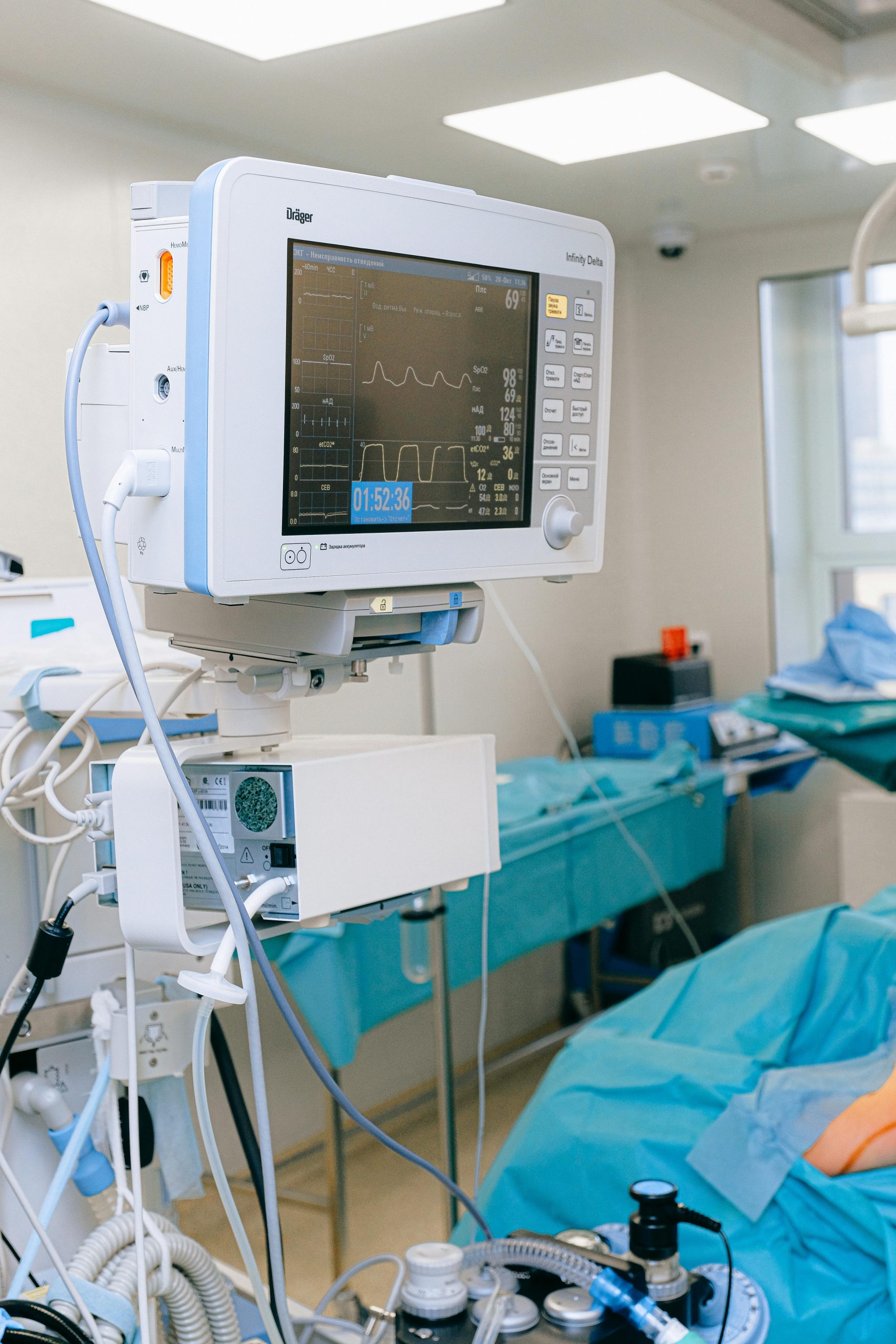
General Symptoms and Findings
Skin, Subcutaneous Tissue, Hair, Mucous Membrane, Lymph Nodes
Circulatory Organs
Respiratory Organs
Digestive / Gastrointestinal Tract
Abdomen
Nutritional Problems
Metabolism, Endocrine System, Immune System
Skeleton and Musculoskeletal System
General Surgery
Genital Organs
Male Genital Organs
Female Genital Organs
Pregnancy, Postpartum Period, Infancy
Growth and Development
Eyes
Ears
Nose, Sense of Smell and Taste
Neurological Disorders
Voice, Speech, and Language Disorders
Pain
Psychological Disorders, Behavioral Disorders, Psychosocial Problems
Infectious and Parasitic Diseases
Neoplasms
Diseases of the Blood and Blood-Forming Organs
Endocrine, Nutritional, and Metabolic Diseases
Psychological and Behavioral Disorders
Diseases of the Nervous System
Diseases of the Eye and Adnexa
Diseases of the Ear and Mastoid Process
Diseases of the Circulatory System
Diseases of the Respiratory System
Diseases of the Digestive System
Diseases of the Skin and Subcutaneous Tissue
Diseases of the Musculoskeletal System and Connective Tissue
Diseases of the Genitourinary System
Pregnancy, Childbirth, and the Puerperium
Certain Conditions Originating in the Perinatal Period
Congenital Malformations, Deformations, and Chromosomal Abnormalities
Symptoms and Abnormal Clinical and Laboratory Findings
Injuries, Poisonings, and Certain Other Consequences of External Causes
Pathology
Pathophysiology
Clinical Chemistry
Medical Microbiology
Immunology
Hygiene
Medical Biometry/Statistics
Human Genetics
Medical History
Pharmacology
Acute Emergencies
Radiology
Surgery
Anesthesiology and Emergency Medicine
General Medicine
Naturopathy
History of Medicine
Occupational Medicine
Dental, Oral, and Maxillofacial Diseases
Orthopnea
Orthopnea is a symptom characterized by difficulty breathing when lying flat, which is relieved by sitting up or elevating the head. It is often associated with various cardiovascular and respiratory conditions.
Pathophysiology
Orthopnea occurs due to:
- Redistribution of fluid from the lower extremities to the lungs when lying flat
- Increased venous return to the heart
- Reduced functional residual capacity in the supine position
Causes
Cardiovascular:
- Congestive heart failure
- Coronary artery disease
- Valvular heart disease (especially mitral stenosis)
- Pericardial effusion
Respiratory:
- Chronic obstructive pulmonary disease (COPD)
- Asthma
- Pleural effusion
- Diaphragmatic paralysis
Other:
- Obesity
- Pregnancy
- Ascites
Clinical Presentation
- Difficulty breathing when lying flat
- Need for multiple pillows to sleep (quantified in “pillows”)
- Associated symptoms may include:
- Paroxysmal nocturnal dyspnea
- Cough
- Fatigue
- Edema
Diagnosis
- Detailed medical history
- Physical examination
- Chest X-ray
- Echocardiogram
- Pulmonary function tests
- Sleep study (if sleep apnea is suspected)
Treatment
Treatment is directed at the underlying cause:
Heart failure management:
- Diuretics
- ACE inhibitors or ARBs
- Beta-blockers
- Digoxin (in selected cases)
COPD/Asthma management:
- Bronchodilators
- Inhaled corticosteroids
General measures:
- Elevating the head of the bed
- Weight loss in obese patients
- Salt restriction